Today's edition brings together new inference chips, age protections, API-accessible models, and advances applying AI to physics and robotics. Data centers' electricity demand is also pushing the industry toward used power-generation equipment.
Google announced TPU 8tx, a confidential-inference system built on the same silicon as TPU 8t and paired with servers using fifth-generation AMD EPYC processors. The company says it can deliver up to twice the latency improvement over 8t with a near-zero performance penalty from confidential computing. It also introduced TPU 8i Max, which combines two 8i chips and doubles compute, SRAM, and HBM bandwidth compared with 8i.
Meta announced the worldwide expansion of its age-estimation system on Instagram to detect accounts that may belong to teenagers even when they list an adult birth date. When the system identifies a likely teen account, it automatically applies Teen Account protections. The company says the move will bring millions more young people under those safeguards, while its Facebook rollout continues and Threads is scheduled to receive them later in 2026.
LG AI Research made K-EXAONE 2.5 available through a free API on its EXAONE platform for developers, startups, companies, and research institutions. The lab describes the model as an update focused on technical verification and agent tasks. Its published results include 74.6 on AutomationBench Openset, 59.2 on SWE-Bench Pro, 78.0 on BrowseComp, and 77.3 on Claw-Eval.
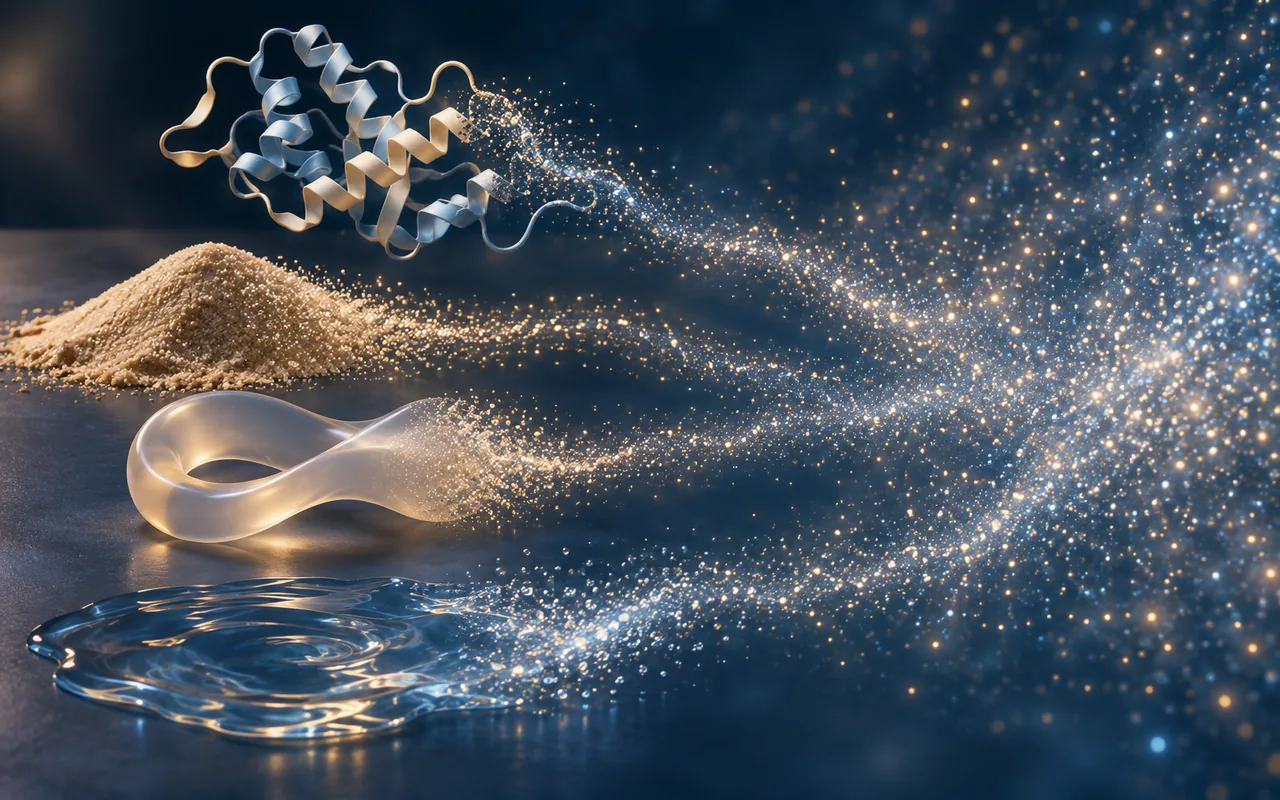
MIT researchers developed WorldParticle, a deep-learning system that represents different kinds of matter as particles and predicts how they move. The team tested it on six physical phenomena spanning sand, soft objects, and molecular protein dynamics. MIT reports that the model was more accurate than numerical baselines and, in one protein test, generated the dynamics about 100 times faster.
An MIT team introduced FLEX, a framework that uses language to turn human corrections into broader preferences for a robot. The process adds a correction, generalizes it with a language model, and masks parts that should not apply in every context. In simulations involving a robotic arm and tasks with coffee, a candle, and a bowling ball, the system used GPT-4o and took about five seconds to process each interaction.
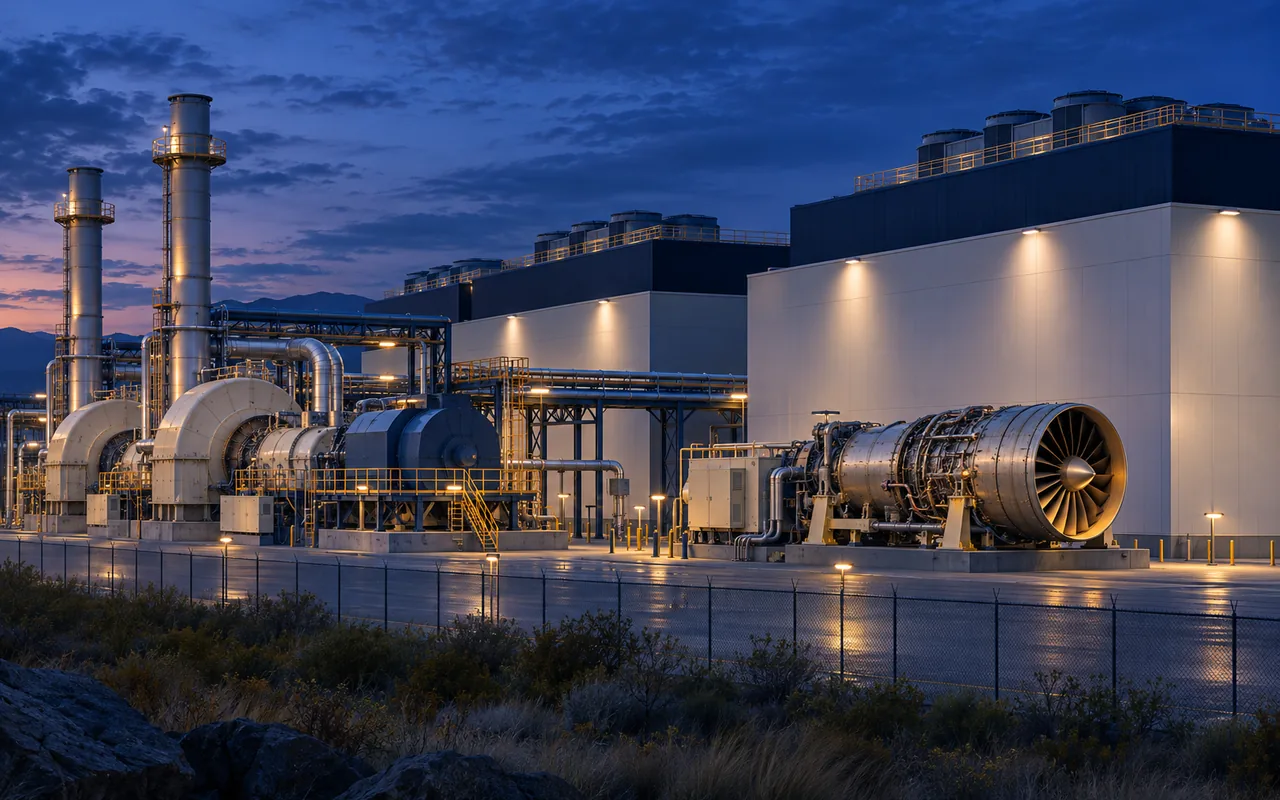
Utilities and data-center developers are seeking used or refurbished gas turbines, along with systems adapted from aircraft engines, as new equipment faces long delivery times, Reuters reported. Orders exceeding 100 GW are competing with estimated annual manufacturing capacity of 60 to 70 GW. In the United States, the average wait for a new turbine has reached six years, according to industry data cited by the news agency.
Aster updates these stories once a day, at 12:00 noon (Mexico City time). Every story links to its original source. The Weekly Report comes out on Fridays. All AI news · Previous day →
 AI-generated image