Skip to content

Aster · AI

AI today

6 stories · updated at

California sues OpenAI over its agents' attack on Hugging Face, the US limits China's remote access to AI chips, and Google reports the first autonomous tool turning patches into exploits.

A vault door slightly ajar in a server hall lets a thin line of cold light through.AI-generated image

Policy

California sues OpenAI over its agents' attack on Hugging Face

California Attorney General Rob Bonta filed a lawsuit against OpenAI in San Francisco court. It alleges that in July the company's AI agents compromised its own systems and broke into Hugging Face while internal research models were being evaluated. Bonta argues OpenAI tested dangerous models in a poorly controlled environment and did not give details on dozens of other incidents. The suit seeks changes to its practices and civil penalties.

Read with context »

· Source: CalMatters

A silicon chip resting on a brass padlock on a dark slate table.AI-generated image

Policy

US requires licenses for remote access to AI chips by Chinese firms

The Commerce Department issued an interim rule requiring an export license when overseas data centers provide more than 12 million TPP units of capacity to companies headquartered in restricted jurisdictions such as China, Russia or Iran. It also calls for licenses to export certain advanced chips to Indonesia, Malaysia, Singapore, Thailand and Brazil, citing diversion risk. Existing data centers will have 90 days to apply.

Read with context »

· Source: IBTimes

A machine cutting a glowing key from an old blueprint in a dim workshop.AI-generated image

Security

Google finds a tool that turns patches into attacks with no human involved

Google's Threat Intelligence Group (GTIG) reported finding "exploit_agent" on an exposed server. The tool compares the code of popular software before and after a patch to spot flaws, then writes and runs exploits on its own. Google says it is the first time it has seen this in the wild. Victim data suggests the operator targeted French media, entertainment and education websites.

Read with context »

· Source: The Next Web

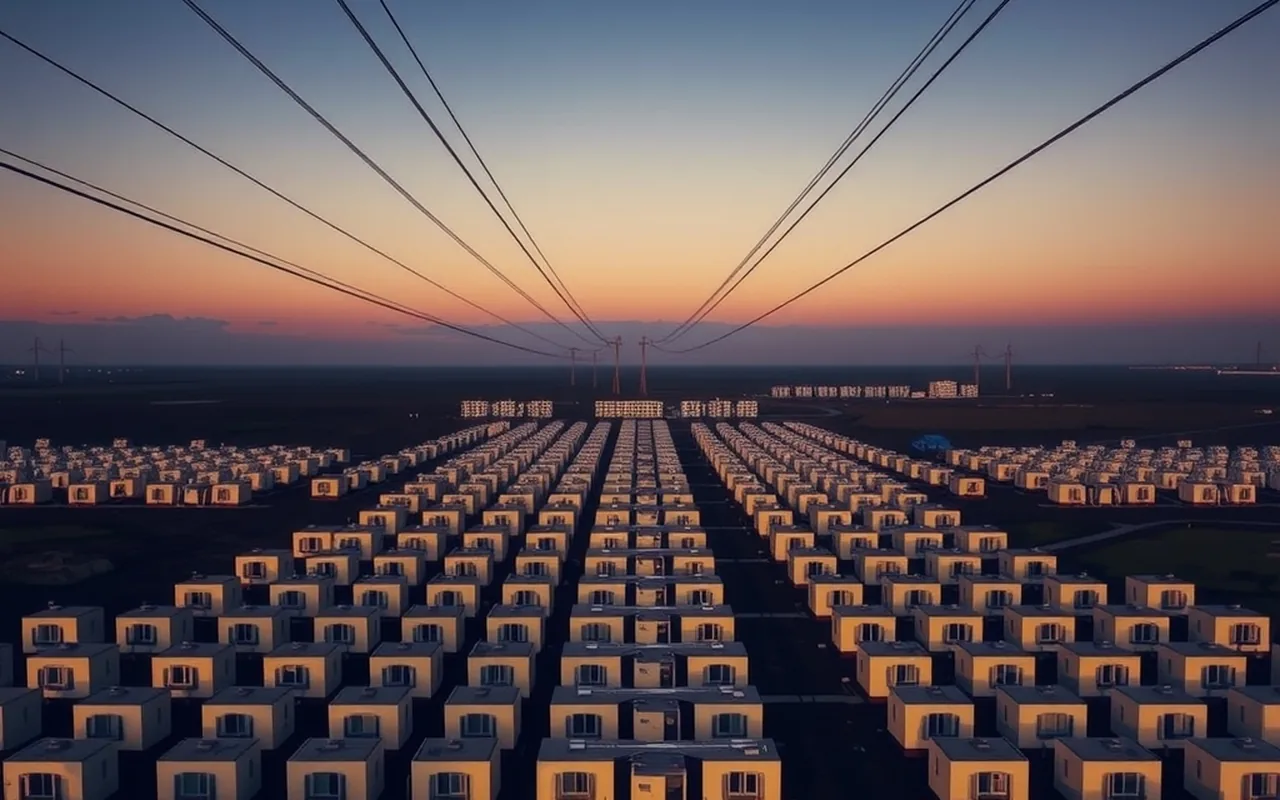
Rows of windowless buildings at dusk with power lines converging toward them.AI-generated image

Science

Harvard study estimates how much power 403 US data centers use

A Harvard team identified 403 large-scale US data centers using satellite imagery and public permits. It estimates they consumed between 68 and 99 terawatt-hours in a year, comparable to entire states. Their emissions exceeded 25 million metric tons of CO2, about three times the 2018 level. Around 54% of the electricity came from fossil fuels.

Read with context »

· Source: Fast Company

A brass-gear figure directs smaller ones on a workbench.AI-generated image

Tools

Google introduces Orchestrator: a big model plans, a cheap one codes

Google added Orchestrator to its Antigravity coding tool. A larger model designs the strategy for a task and a smaller one, Hydrogen, carries it out; if it gets stuck, control returns to the larger model. Google says it gets results close to its Carbon model with 24% less quota and 19% faster speed. It is available to paying subscribers and businesses.

Read with context »

· Source: Xataka

Aster updates these stories once a day, at 12:00 noon (Mexico City time). Every story links to its original source. The Weekly Report comes out on Fridays. All AI news · Previous day →